September 7, 2026 · 9 min read
Rent Your Sprinter for Income: Insurance, Lender & Platform Checklist
Rent Your Sprinter for Income: Insurance, Lender & Platform Checklist
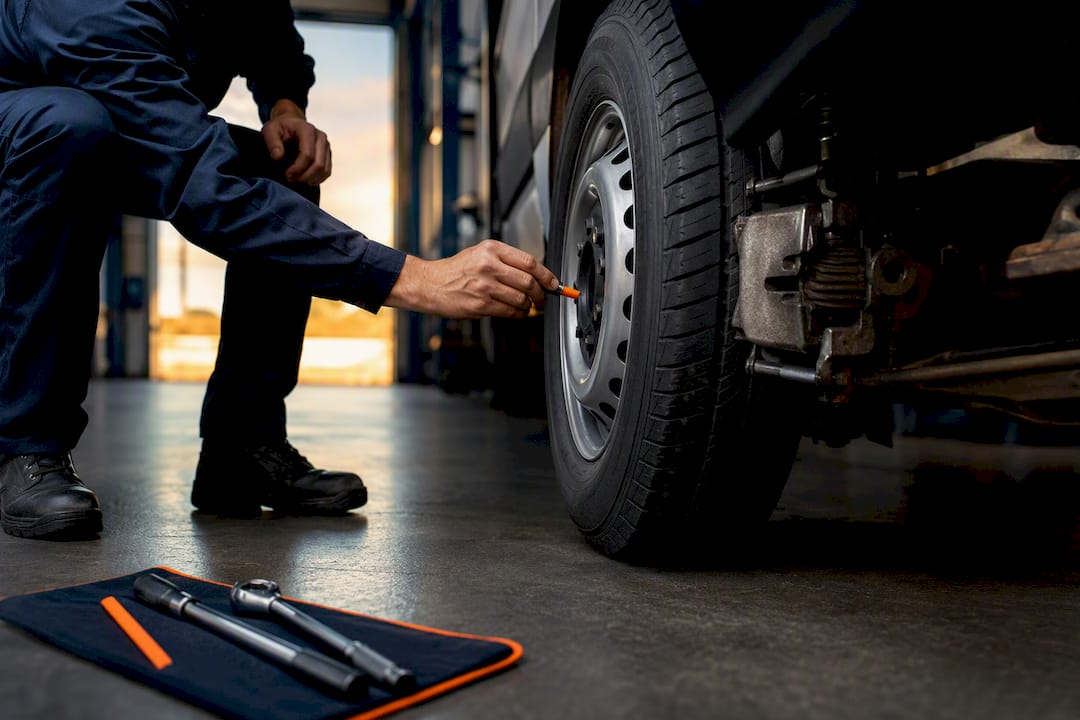
Yes, you can rent out your Sprinter van for income, but the answer depends entirely on two things: your insurance coverage and your lien or lease terms. Before you list anywhere, confirm your policy covers rental use and, if you’re financing the vehicle, get written permission from your lender. Once those two boxes are checked, a partner option like Sprinter-Van-Rentals.com gives you a direct path to start earning.
TL;DR:
- Ensuring your insurer approves rental use and obtaining written permission from your lender are crucial before listing your Sprinter van for rent.
- Regular maintenance, a clean interior, and documented condition photos help prevent disputes and protect you during damage claims.
- Confirm that your insurance coverage during rentals is primary and understand platform liability limits to avoid gaps in protection.
- Set rental rates based on your costs, including maintenance, insurance, depreciation, and platform fees, while adjusting for seasonality.
- Use detailed listings with clear photos and run thorough pre- and post-rental inspections to facilitate smooth handoffs and minimize conflicts.
Table of Contents
- Prepare Your Sprinter for Rental: Mechanical, Interior, and Paperwork Checklist
- Insurance Gaps and Licensing Risks Owners Often Miss
- How to Set a Profitable Rental Rate for Your Van
- Writing a Listing That Converts and Handoffs That Go Smoothly
- Running Daily Operations Without Double-Bookings or Disputes
- What Owners Get Wrong About Renting Out a Van
- Ready to List Your Sprinter With Sprinter-Van-Rentals.com?
- Sources
Prepare Your Sprinter for Rental: Mechanical, Interior, and Paperwork Checklist
A Sprinter that looks and drives like a fleet vehicle books faster and gets fewer complaints. Before you list your van, run it through a real inspection, not a quick glance in the driveway.
Start with mechanics. Renters will drive your van hundreds of miles, often on unfamiliar roads, so brakes, tires, lights, and fluid levels need to check out clean. Pull your maintenance records and make sure nothing is overdue.
Then focus on the cabin. A clean interior with clearly labeled controls (climate, power outlets, slide door locks) cuts down on confused calls mid-trip. Many hosts add a small welcome kit: a laminated quick-start card, phone chargers, and a folder with basic troubleshooting tips.
Before you post a listing, gather these documents:
- Vehicle title and current registration
- Insurance declarations page showing active coverage
- Maintenance log with dated service receipts
- Loan or lease paperwork, if applicable
If your Sprinter is financed or leased, don’t skip the lender conversation. Loan and lease agreements frequently restrict commercial use, and renting without permission can trigger a default clause that lets the lienholder call the loan or repossess the van entirely.
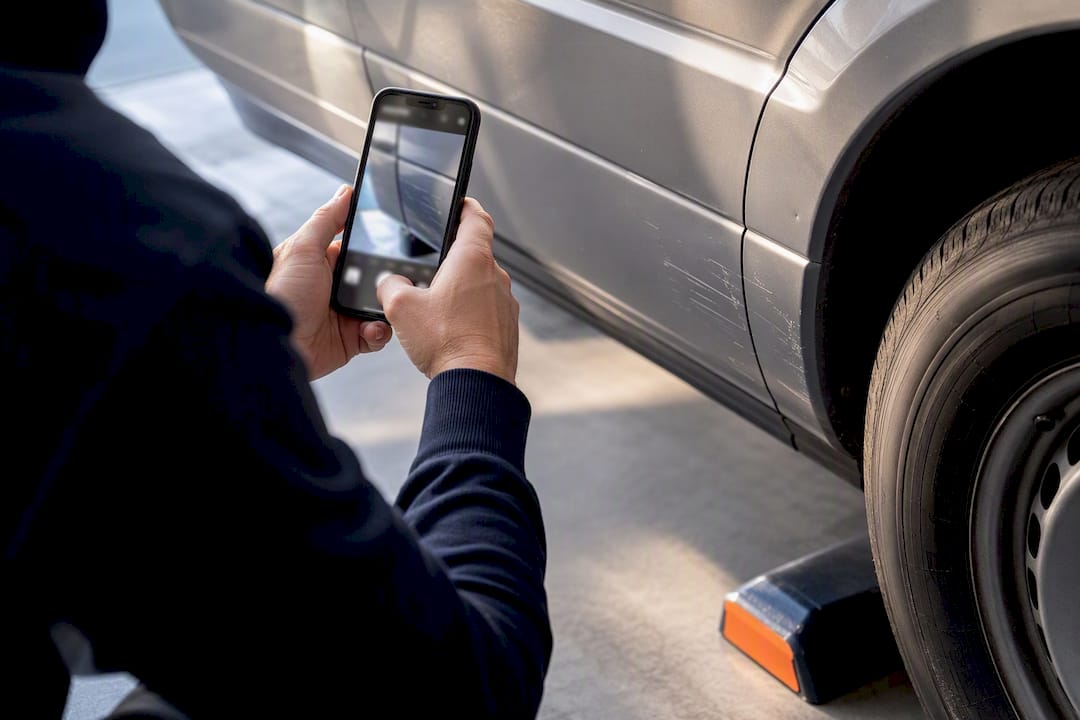
Pro Tip: Photograph every panel, tire, and interior surface before your first rental. A dated set of “before” photos protects you if a dispute over pre-existing damage comes up later.
Insurance Gaps and Licensing Risks Owners Often Miss
Your personal auto policy almost certainly excludes commercial rental use, and that exclusion is where most owner headaches start. Insurers who discover you’re renting the van for profit without disclosure can deny a claim outright or cancel your policy, leaving you exposed at the worst possible moment.
This is where the platform you choose matters. Regulatory models in several states now require car-sharing platforms to provide primary insurance coverage during the rental period, shifting the immediate liability away from your personal policy. That protection isn’t automatic just because you list somewhere, though. Before you commit to any platform, confirm in writing:
- Whether coverage is primary or secondary during active rentals
- What the liability limits and deductibles actually are
- Whether driver verification and identity checks happen before every booking
- How claims get filed and how fast disputes get resolved
Licensing adds another layer. In jurisdictions where a platform doesn’t meet operator licensing standards, the compliance burden can shift to you as the individual owner, which may mean obtaining a transport service license yourself. That’s a real cost and paperwork burden that a well-regulated platform is designed to absorb on your behalf.
Under one legal analysis, platforms operating under peer-to-peer statutes must ensure insurance during every sharing period and notify owners about lien and lease implications before a vehicle goes live.
Some state laws, including Florida’s peer-to-peer car sharing statute, spell this out directly, requiring platforms to flag lien risks to owners upfront. Read that notification closely. It exists because lenders can and do accelerate loans over undisclosed commercial use.
How to Set a Profitable Rental Rate for Your Van
Pricing your Sprinter isn’t about matching whatever the listing next to yours charges. It’s about covering your real costs and still walking away with income. Build your daily rate using this order:
- Start with your target monthly income and divide by your expected number of rental days.
- Add a maintenance reserve of roughly 20% to 25% of the base rate, since hosts who skip this buffer often watch repair costs quietly eat their margin.
- Layer in the platform’s commission percentage so your take-home number is accurate, not aspirational.
- Add an insurance buffer to cover any deductible you’d owe on a claim.
- Factor in depreciation and a vacancy cushion for weeks when the van sits idle.
Beyond the base formula, seasonality changes everything. On the flip side, offering a discount for longer rental stretches fills your calendar during slower months instead of leaving the van parked.
Pro Tip: Check current market rates on a resource like the Sprinter van rental cost guide before you set your number. Pricing too low signals a problem vehicle; pricing too high just gets scrolled past.
Rental income is taxable, and most owners will need to track it closely. Keep every receipt, log every payout, and separate your rental income from personal use in your own records. Depending on your situation, this activity may show up on a Schedule C or similar self-employment reporting, so talk to a tax professional before your first booking rather than after.
Writing a Listing That Converts and Handoffs That Go Smoothly
Photos sell the van before a single word does. Show the full seating layout, the luggage area, charging ports, and any accessibility features. Skip generic stock-style shots. Renters booking a Sprinter usually have a specific group size and cargo need, so show exactly what fits.
Your description should answer the questions renters actually have:
- Exact seating capacity and configuration
- Cargo and luggage space in real terms (not just cubic feet)
- Mileage limits and fuel policy
- Prohibited uses: off-roading, towing, festival camping, or overnight sleeping if that’s a concern for your vehicle
Before every handoff, run a digital pre-hire inspection. Time-stamped photos of the exterior, interior, and odometer reading, paired with a renter sign-off, create a documented record that resolves most damage disputes before they start. Some hosts add a short walkthrough video for extra clarity.
For the actual exchange, decide early whether you’ll do:
- In-person handoff with a walkthrough
- Lockbox or keypad pickup for contactless exchange
- A designated backup contact if you’re unavailable at pickup time
Whichever you choose, build a simple cleaning protocol between every rental. A van that smells like the last group’s road trip snacks doesn’t get five stars.
Running Daily Operations Without Double-Bookings or Disputes
Once your Sprinter is live, the operational grind is what protects your income. Sync your calendar across every platform you list on, and build in a buffer window, ideally a half day, between bookings for cleaning and inspection.
Keep a running maintenance log with dated receipts attached. If something safety related comes up (worn brakes, a check-engine light, a cracked windshield), pull the listing immediately rather than gambling on one more booking.
- Sync calendars across every platform you use
- Add buffer time between each rental for cleaning and checks
- Log every maintenance item with receipts attached
- Pause your listing the moment a safety issue appears
When damage happens, documented condition reports and consistent handoff checklists are what separate a fast claim resolution from a drawn-out dispute. Know your platform’s claims process and small-claim thresholds before you need them, not during a dispute.
Pro Tip: Set a recurring calendar reminder for maintenance checks every 5,000 miles, separate from your regular oil-change schedule. Rental use adds miles faster than most owners expect.
What Owners Get Wrong About Renting Out a Van
Most owners who struggle with van rentals make one of two mistakes: they skip the insurance conversation entirely, or they price the van based on hope instead of a real cost breakdown. Both are avoidable, and both show up constantly in owner questions we field.
The realistic expectation is steady supplemental income, not a passive windfall. Revenue-sharing structures reward owners who keep their vans clean, documented, and available on a predictable schedule. Owners who treat the listing like a side business, not an afterthought, are the ones who keep renters coming back. That consistency, more than any single tactic, is what actually drives repeat bookings.
— Gabriel
Ready to List Your Sprinter With Sprinter-Van-Rentals.com?
Certain specialized platforms give owners a direct partner path instead of the guesswork of building a listing from scratch on a general marketplace. These platforms can connect owners to renters searching specifically for large passenger vans, and may provide support for navigating insurance and documentation questions.
Signing up typically involves creating an account, uploading documentation, setting availability, and starting to accept bookings. Have these ready before you start: your insurance declarations page, current registration, maintenance log, and written lien or lease permission if your van is financed. Having them prepared upfront speeds up verification considerably.
If you’re still finalizing your setup, review the fleet configuration options to see how your Sprinter compares to what renters are booking, or head straight to the partner program page to start your application today.
This article is general information, not a substitute for advice from a qualified lawyer. Consult a qualified legal professional about your own circumstances before acting on anything here.
Sources
- Peer-to-Peer Car Sharing: Insurance, Liability and Tax - LegalClarity
- Running a vehicle rental business | NZ Transport Agency Waka Kotahi
- Chapter 627 Section 7483 - 2026 Florida Statutes - The Florida Senate
- Does car insurance cover peer-to-peer rentals? | Liberty Mutual
- Rent Your Sprinter Van: A Step-By-Step Guide To Success | ShunRent
Recommended
Keep reading
How Much Is a Sprinter Van Rental? 2026 Pricing Guide
Real Mercedes-Benz Sprinter van rental prices in 2026 — daily rates, mileage, insurance, delivery fees, and how to lower your total.
How to Start a Sprinter Van Rental Business (2026 Playbook)
Step-by-step guide to launching a Sprinter van rental business — licensing, DOT/FMCSA rules, insurance, fleet financing, and marketing.
Mercedes Sprinter Van Rental in Orlando, FL — Where to Rent
Compare Mercedes-Benz Sprinter van rental options in Orlando, FL — MCO airport delivery, theme park runs, and 12 & 15-passenger pricing.