September 17, 2026 · 11 min read
Seat Belts, Tire Age, No Roof Loads for 15 Passenger Van Renters
Seat Belts, Tire Age, No Roof Loads for 15 Passenger Van Renters
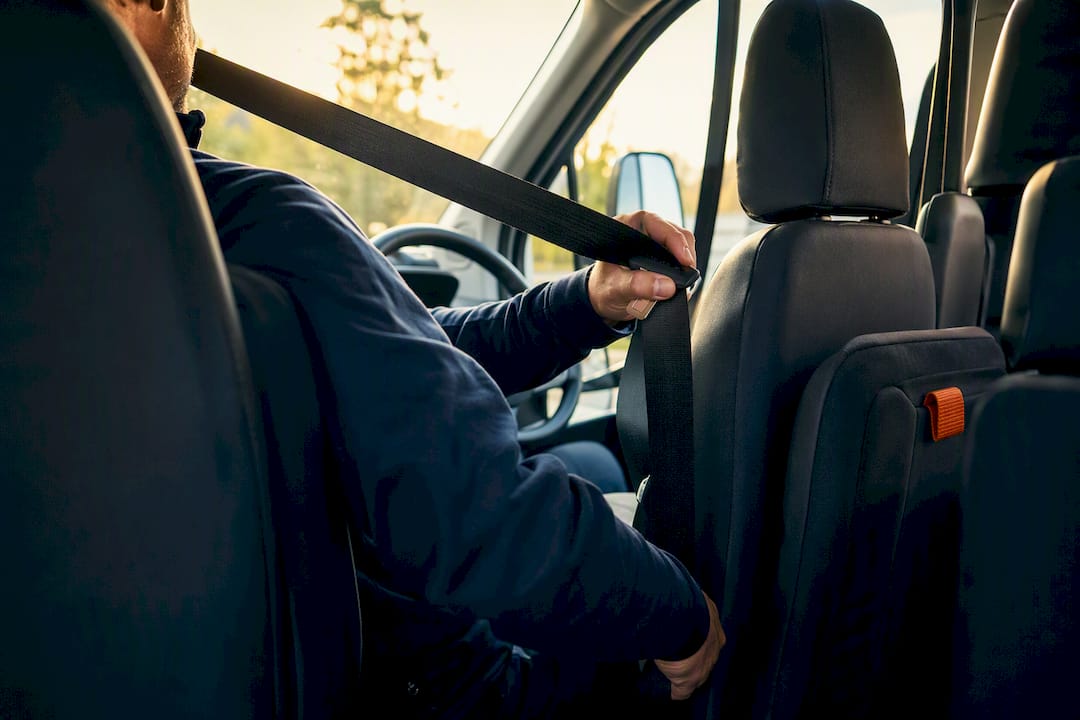
You can drive a 15-passenger van safely if you follow mandatory pre-trip checks, respect loading limits, and either bring prior experience or hire a trained driver, guidance backed by NHTSA and the NTSB. Three rules are non-negotiable: every seat belt buckled, tires set to the manufacturer’s sticker pressure and checked for age, and nothing ever loaded on the roof. For long trips or unfamiliar routes, a professional driver from a service like Sprinter Van Rentals is often the safer call.
TL;DR:
- Proper loading with cargo positioned forward of the rear axle and avoiding rooftop storage significantly reduces rollover risk in fully loaded vans.
- Tire pressures must be set precisely according to manufacturer specs and inspected regularly, as tire failure is a leading cause of van rollovers.
- Experienced drivers or trained professionals are recommended for unfamiliar routes, long trips, or night drives to mitigate the higher rollover and accident risks.
- Conduct a thorough pre-trip check, including exterior, tires, interior, and documentation, to identify issues that could lead to roadside emergencies.
- Using Electronic Stability Control, requesting a pre-trip inspection report, and selecting a trained driver can further lower the risk before setting out.
Table of Contents
- What Makes 15-Passenger Van Driving Different From Driving a Car?
- Pre-Trip Inspection: What to Check Before Passengers Board
- How Do You Brake, Turn, and Watch Blind Spots Safely?
- How Should You Load Passengers and Cargo?
- Why Do Tire Pressure and Age Matter So Much?
- Who Should Be Behind the Wheel, and How Long Should They Drive?
- What Should You Do in a Blowout or Rollover Emergency?
- What Backs Up This Safety Guidance?
- When Should a Group Actually Hire a Driver Instead of Self-Driving?
- How Sprinter Van Rentals Helps You Drive With Confidence
- Sources
- FAQ
What Makes 15-Passenger Van Driving Different From Driving a Car?
A fully loaded 15-passenger van handles nothing like a sedan or even a minivan. The extra weight sits high and far back, which raises the vehicle’s center of gravity and shifts it toward the rear axle as seats fill up. That combination is exactly why NHTSA singles out these vans for a distinct rollover warning: loaded to capacity, a 15-passenger van’s rollover risk climbs sharply compared to when it is carrying just a driver.
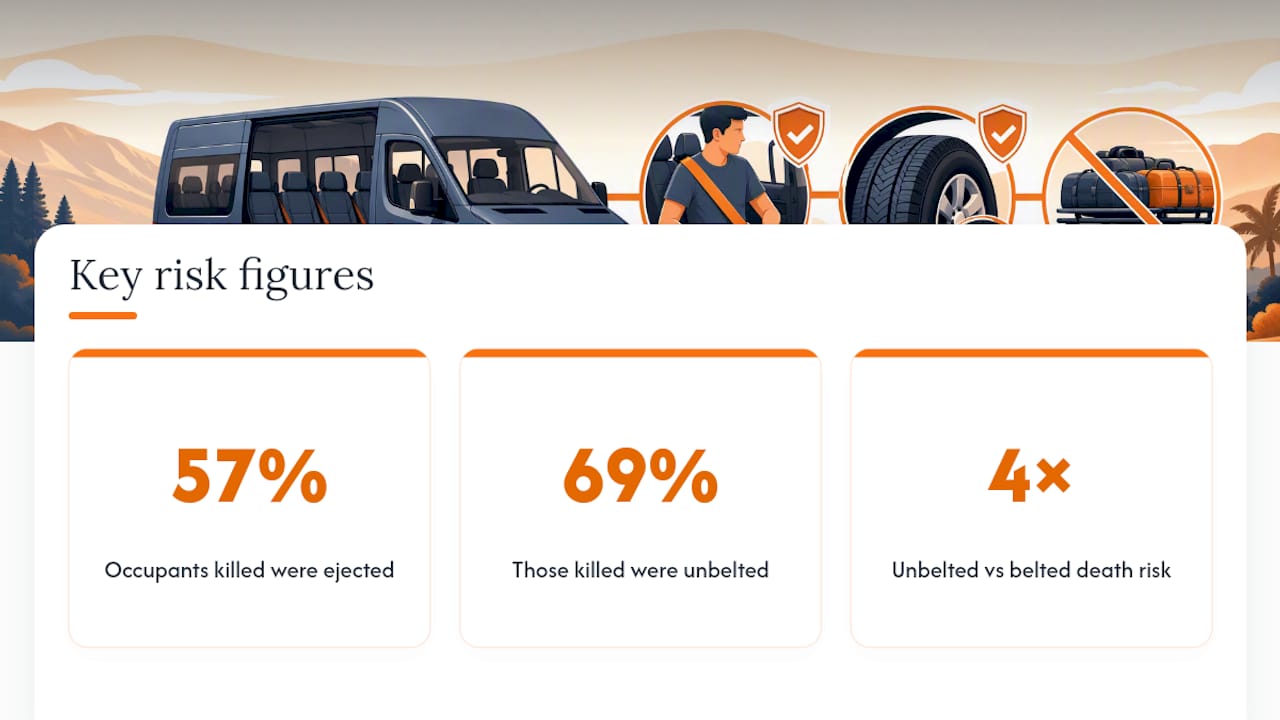
The stakes are not abstract. Between 2010 and 2019, 57% of occupants killed in 15-passenger van rollovers were ejected from the vehicle, and 69% of those killed were not wearing a seat belt. Unbelted occupants are roughly four times more likely to die in a single-vehicle crash than belted ones. Those numbers set the tone for everything that follows: seat belts and load control are not suggestions, they are the two variables that most directly decide who walks away from a bad moment on the road.
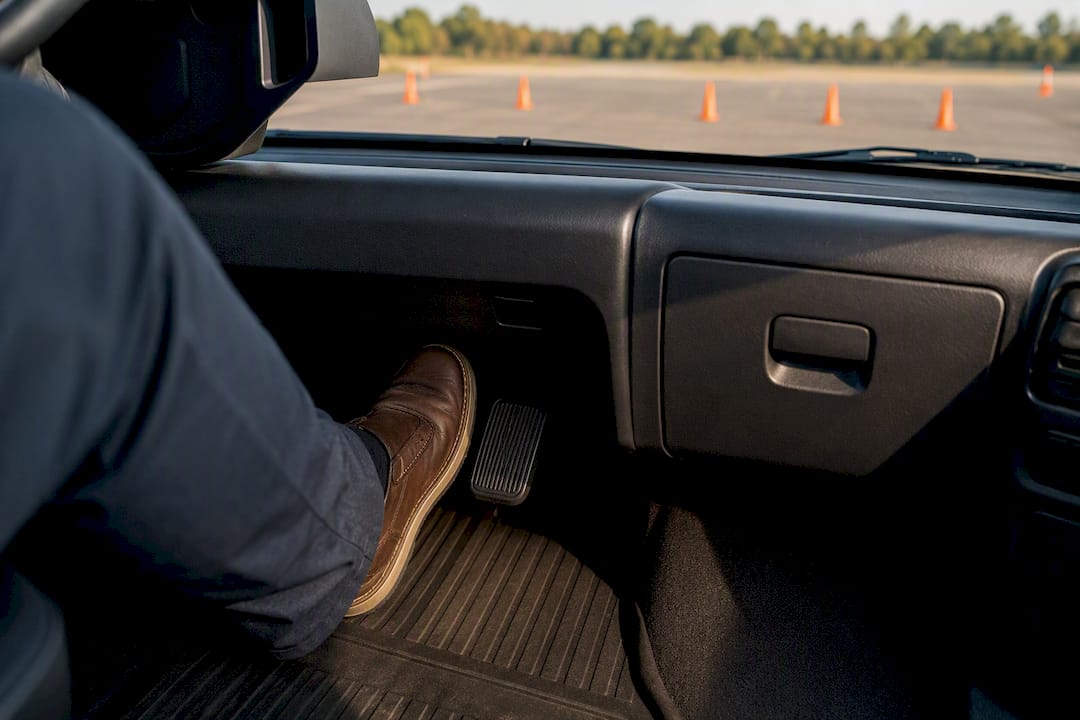
For first-time drivers, the honest advice is to treat this as a distinct skill, not an oversized version of driving your own car. Spend fifteen minutes in an empty parking lot before you carry passengers. Learn how far the mirrors let you see, how wide the turning radius really is, and how the brake pedal feels with a full load versus an empty one.
Pre-Trip Inspection: What to Check Before Passengers Board
A rushed walkaround is how small problems become roadside emergencies. Run through this sequence every time you take the wheel, whether it is your own fleet vehicle or a weekend rental.
- Exterior check. Walk the full perimeter looking for fluid leaks, body damage, and cracked glass, then confirm headlights, brake lights, and turn signals all work.
- Tires. Check pressure against the manufacturer sticker (not a guess), inspect tread depth and sidewalls for cracking, confirm the tire identification number for age, and verify the spare is inflated and accessible.
- Interior. Count seat belts to match seating capacity, confirm each buckle latches securely, check that all seats are locked into their tracks, and adjust every mirror before you pull out.
- Documentation. Locate the owner’s manual for payload and tire specs, and confirm registration and insurance are current and inside the vehicle.
Rental fleets should hand you these details on request. Sprinter Van Rentals lets renters check interior layout and luggage capacity before booking, which makes it easier to plan seating and cargo ahead of the trip rather than guessing at the curb.
How Do You Brake, Turn, and Watch Blind Spots Safely?
The physics of a loaded van punish sudden inputs. Smooth, early actions are what keep 15,000 pounds of vehicle and passengers pointed the right way.
- Keep at least a 4-second following distance in normal conditions, and stretch that to 6 seconds in rain, snow, or low visibility.
- Brake early and gradually. Panic braking at highway speed is one of the fastest paths to a skid or jackknife with a top-heavy vehicle.
- Take turns wide and slow. The turning radius on a 15-passenger van is noticeably longer than a car’s, and cutting a corner tight risks clipping curbs or oncoming lanes.
- Rely on your mirrors and add a deliberate shoulder check before every lane change. Rear visibility through the back windows is often blocked by seats and passengers.
- Reduce speed before a curve, not during it. Entering a turn too fast and correcting mid-curve is a common trigger for loss of control.
Winter driving compounds every one of these risks, and the stopping-distance math changes considerably on snow and ice, so treat cold-weather trips as a reason to slow down further, not just drive carefully.
Pro Tip: Practice a full stop from 40 mph in an empty lot before your trip. A loaded van needs noticeably more distance than you expect, and it is better to learn that with no one else on the road.
How Should You Load Passengers and Cargo?
Where weight sits in the van matters as much as how much weight there is. NTSB’s own crash analysis points to loading errors as a recurring factor in fatal rollovers.
- Fill seats front to back. When the van is not full, keep passengers in rows ahead of the rear axle rather than spreading them toward the back.
- Load heavy cargo inside the van, positioned forward of the rear axle, and strap down anything that could shift or become a projectile in a sudden stop.
- Never use roof racks or rooftop cargo boxes. Anything stored above the roofline raises the center of gravity exactly where you cannot afford it.
- Watch your headcount. Rollover risk climbs sharply once a van carries more than 10 occupants, which is precisely the range most group trips fall into.
If your group’s luggage needs to outgrow a 15-passenger layout, comparing seating and cargo space on a 12-passenger van is worth ten minutes before you commit to a booking.
Why Do Tire Pressure and Age Matter So Much?
Tires cause a disproportionate share of large-van rollovers, and most of the failures trace back to two preventable issues: wrong pressure and old rubber.
- Set pressures to the exact numbers on the driver-side doorjamb sticker. On many 15-passenger vans, front tires may call for around 50 psi while rear tires run as high as 80 psi, a gap that would look wrong on a car but is normal here.
- Inspect sidewalls for dry rot and cracking, not just tread depth. A tire can look fine and still be failure-prone if it is old.
- Check the tire identification number to confirm the manufacture date. Tire age can be as dangerous as tread wear, and a spare that has sat unused for years is not a safe backup.
- Build a weekly pressure check into your routine if the van sees regular use, and keep a written record of any professional inspection.
By the numbers: NHTSA’s crash data shows most 15-passenger van rollover deaths involve ejection, and the majority of those killed were not belted. Tire condition and inflation are among the few factors a driver controls completely before ever starting the engine.
Who Should Be Behind the Wheel, and How Long Should They Drive?
Not every licensed driver is ready for this vehicle class, and fatigue erodes judgment faster than most people expect on a long haul.
- Assign your most experienced driver, and consider commercial licensing or a dedicated training course when the van is used for regular group transport rather than a one-time trip.
- Limit any single driver to about 8 hours behind the wheel per day, a threshold NHTSA guidance ties directly to fatigue-related crash risk, and plan driver swaps or rest breaks on longer routes.
- Confirm local licensing and insurance requirements before the trip. Some jurisdictions require a higher licence class or periodic commercial inspection for vehicles this size.
- Keep the cabin calm during merges, exits, and tight parking maneuvers. A driver juggling fifteen conversations at once is a driver not fully watching the mirrors.
A structured driver safety training program is worth the investment for any organization that runs these trips more than occasionally.
What Should You Do in a Blowout or Rollover Emergency?
Most drivers freeze or overcorrect in the first two seconds of an emergency, and either reaction tends to make things worse in a top-heavy van.
- Tire blowout: Ease off the accelerator gradually. Do not brake hard or yank the wheel. Hold a straight line, let the van slow naturally, then guide it toward the shoulder.
- Wheels drift off the pavement: Slow down first. Steer back onto the road gently once speed has dropped, using small, steady inputs rather than a sharp correction.
- Feeling the van lean into a turn: Straighten the wheel and slow down. Never try to out-steer the lean with a hard countermovement.
- After any incident: Keep passengers belted and seated until it is safe to exit, call emergency services, and document the scene with photos and notes while details are fresh.
Pro Tip: The instinct to jerk the wheel back onto the road after drifting off the shoulder is one of the most common causes of rollover. Slow down before you steer, every time.
What Backs Up This Safety Guidance?
This guidance draws on federal crash data, historical NTSB recommendations, and the operational realities of running rental fleets, put together for people who need practical answers before a trip, not a research paper.
Sprinter Van Rentals maintains 12 and 15-passenger Mercedes Sprinter vans across a national fleet, with detailed interior and seating specifications published for renters who want to plan loading before they arrive. Renters can reduce risk further by requesting a pre-trip inspection record at pickup, asking whether a given van is equipped with Electronic Stability Control, and booking a trained driver rather than self-driving on unfamiliar routes or overnight trips. ESC has been shown to meaningfully cut rollover risk, and not every older van in service can be retrofitted with it, so asking the question before you book is worth the extra minute.
When Should a Group Actually Hire a Driver Instead of Self-Driving?
My honest read on this topic: most groups underestimate how much a loaded 15-passenger van differs from anything they have driven before, and they make the call to self-drive based on cost alone. That is backwards for a specific reason. The rollover statistics tied to these vans are not about reckless driving; they show up in ordinary trips where the driver had never handled a vehicle this size before.
If the trip involves an unfamiliar highway, a night drive, or more than a few hours behind the wheel, hiring a trained driver is the responsible choice, not an upgrade. The cost difference is real, but so is the risk difference. Share the pre-trip checklist with whoever is organizing the trip, even if you are not the one driving. Group leaders who never see this information cannot ask the right questions at pickup.
— Gabriel
How Sprinter Van Rentals Helps You Drive With Confidence
Sprinter Van Rentals gives renters a practical alternative to guessing about van condition or driver readiness: book a professional driver alongside the vehicle instead of handling both the logistics and the wheel yourself. Every rental can be configured with the seating and cargo layout your trip actually needs, whether that means reviewing the full fleet for the right configuration or adding a trained driver for longer or unfamiliar routes.
Before you book, ask for the pre-trip inspection report, confirm whether Electronic Stability Control is available on the specific van, and request driver credentials if you are adding a driver to your reservation. These three questions take a minute and tell you far more than a photo on a booking page ever will. Start by checking availability for 12 and 15-passenger Sprinter vans nationwide for your dates, and decide from there whether self-driving or a hired driver fits your trip.
Sources
- 15-Passenger Vans | NHTSA
- 15-Passenger Vans Safety Alert | NTSB
- Evaluation of 15-passenger vans | CCMTA
FAQ
How hard is it to drive a 15-passenger van?
It is noticeably harder than driving a car or minivan because of the longer turning radius, longer stopping distance, and higher rollover risk when loaded, but most drivers adapt quickly with a practice session in an empty lot before carrying passengers.
Can you drive a 15-passenger van with a regular license?
In most cases yes, a standard driver’s license covers personal use, but commercial or organizational use can require a higher license class or periodic inspections depending on your jurisdiction, so check local rules through CCMTA’s guidance or your state’s licensing authority.
What are some tips for driving a 15-passenger van?
Keep a 4 to 6 second following distance, brake early, take turns wide and slow, and rely on mirrors with a shoulder check before every lane change since rear visibility is limited.
What is the largest cause of accidents in 15-passenger vans?
Rollovers linked to improper loading, tire failure, or underinflation are the leading cause, and NHTSA data shows most people killed in these rollovers were ejected and unbelted, which is why seat belts and correct tire pressure are the two highest-priority checks before any trip.
Does Sprinter Van Rentals offer a driver for 15-passenger vans?
Yes, Sprinter Van Rentals offers a driver option for renters who prefer a trained professional behind the wheel instead of self-driving on long or unfamiliar routes.
Recommended
Keep reading
How Much Is a Sprinter Van Rental? 2026 Pricing Guide
Real Mercedes-Benz Sprinter van rental prices in 2026 — daily rates, mileage, insurance, delivery fees, and how to lower your total.
How to Start a Sprinter Van Rental Business (2026 Playbook)
Step-by-step guide to launching a Sprinter van rental business — licensing, DOT/FMCSA rules, insurance, fleet financing, and marketing.
Mercedes Sprinter Van Rental in Orlando, FL — Where to Rent
Compare Mercedes-Benz Sprinter van rental options in Orlando, FL — MCO airport delivery, theme park runs, and 12 & 15-passenger pricing.